
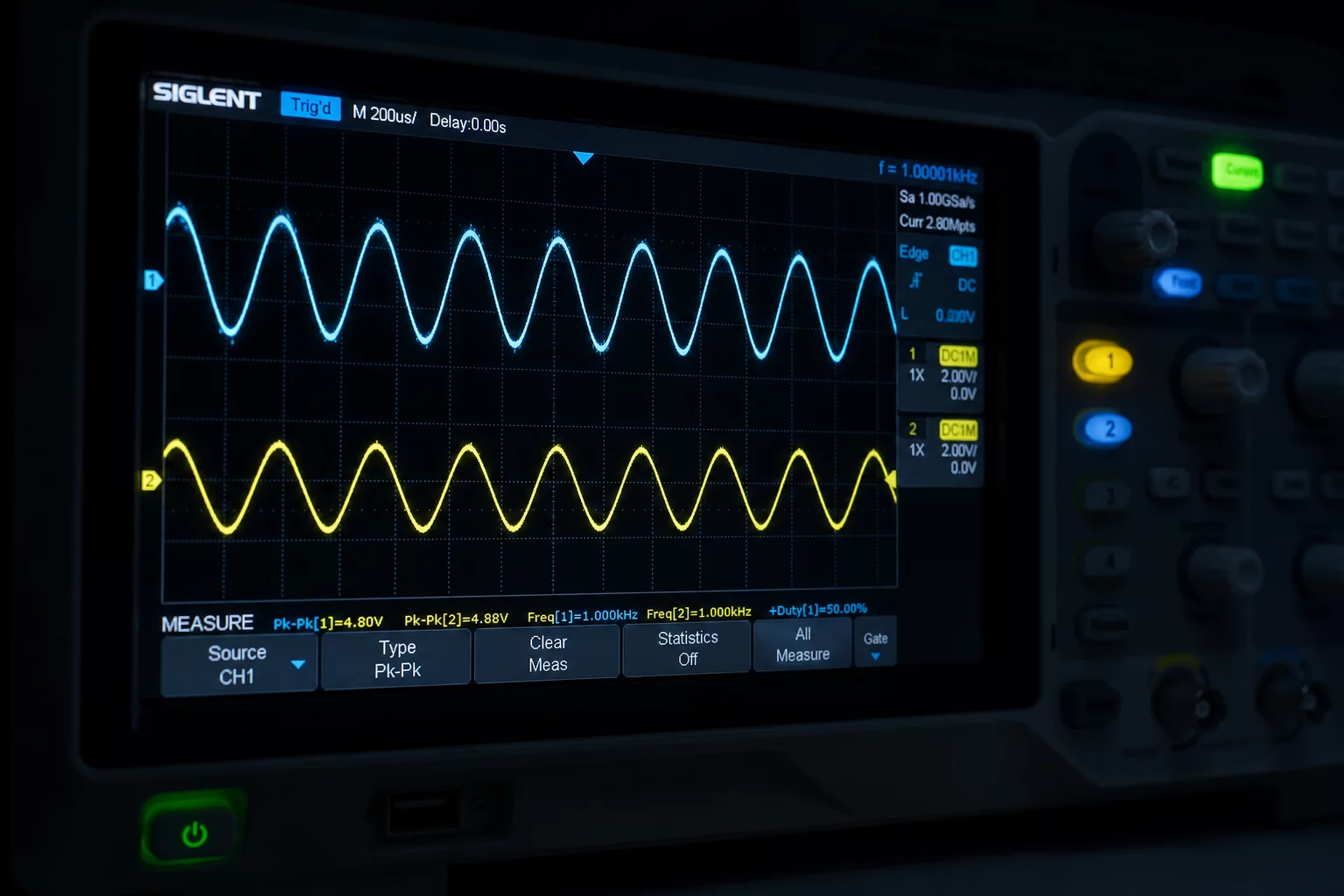
Voltage fluctuations represent unplanned deviations from nominal grid thresholds, causing thermal stress, operational failure, and premature component degradation in unconditioned electrical loads.
The Primary Drivers Behind Utility Grid Instability
Modern utility distribution systems undergo constant load swings across every operational cycle. In industrial regions, simultaneous startup of large inductive motors draws sudden inrush currents, creating sharp voltage sags across nearby substations. When heavy machinery shuts down abruptly, inductive energy bounces back into distribution lines, triggering voltage spikes that exceed standard operating tolerances. These irregularities wear down sensitive control circuits, overheat transformer coils, and trigger random diagnostic faults in electronics.
High-voltage microsecond impulses generated by lightning strikes, line switching, or sudden utility transformer tapping.
Prolonged voltage drops under 190V arising from oversubscribed transmission feeders and heavy seasonal peak consumption.
Stabilization Architecture and Protective Mitigation
Safeguarding sensitive hardware requires dedicated voltage conditioning right at the incoming service entrance. Automatic voltage stabilizers utilize high-speed microprocessor logic combined with continuous auto-transformer tapping to counteract utility anomalies. The system tracks incoming sine wave patterns cycle by cycle, adjusting winding taps within milliseconds to deliver an unwavering output voltage to all connected appliances.
- Continuous voltage balancing eliminates winding overheating in heavy HVAC compressors and water pumps.
- Advanced microprocessor controllers filter harmonic noise and arrest transient surges before they reach sensitive microchips.
- Broad input acceptance bands (140V to 260V) preserve full operational capacity under extreme utility line degradation.